Introduction
If you have struggled with stubborn dark spots, melasma, or uneven tone that creams just cannot shift, you may have come across laser toning. It is one of the gentler, more popular professional options for pigmentation, particularly among those with Asian and deeper skin tones. But with so many treatments competing for attention, is laser toning actually worth it?
This guide explains what laser toning is, how this laser treatment for pigmentation works, and why so many people find it a worthwhile investment in clearer, more even skin.
How MyClinic Can Help You Treat Pigmentation With Laser Toning
Getting results from pigmentation treatment starts with identifying the right type of laser and protocol for your concern and skin tone. MyClinic offers laser toning as part of a professional pigmentation assessment and treatment programme, with every session calibrated to your skin type, pigmentation pattern, and sensitivity level.
Our practitioners are experienced in treating stubborn melasma, sun-induced pigmentation, and post-acne marks across a range of skin tones, including deeper and Asian skin that needs a particularly careful approach. If you are weighing up whether laser or a chemical peel is better for your pigmentation, our guide on laser vs peel for pigmentation covers the key comparison in detail.
What Is Laser Toning?
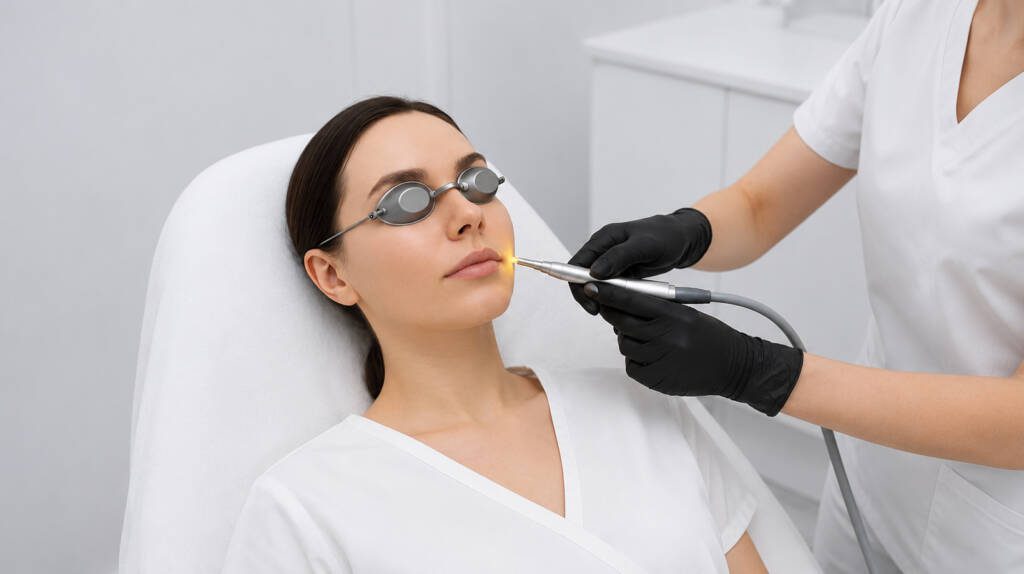
Laser toning is a specific type of laser treatment for pigmentation that uses a low-energy, multi-pass technique. Rather than delivering one strong burst of energy, it applies gentle, repeated passes of a Q-switched laser over the skin across multiple sessions.
This gentle approach is what sets it apart. Working gradually and at low intensity, laser toning breaks down excess pigment with minimal heat and disruption to the surrounding skin, making it especially suitable for sensitive skin and darker tones prone to irritation. MyClinic offers laser toning within its range of pigmentation and melasma treatments.
How Laser Toning Works on Pigmentation
Pigmentation happens when the skin produces excess melanin, creating dark spots, patches, or uneven tone. Laser toning targets this melanin with gentle, repeated pulses of light energy, fragmenting the pigment particles, which the body then gradually clears away over the following weeks.
Because it works at a low fluence, this laser treatment for pigmentation damages the pigment without the strong heat that can trigger further discolouration. Over a series of sessions, this slowly fades the pigment while encouraging a more even, refreshed complexion. The gradual nature is exactly why it works well on stubborn concerns like melasma that aggressive treatments often worsen. Each session chips away a little more of the excess pigment, and because the energy stays low, the surrounding skin is left largely undisturbed, lowering the chance of the rebound darkening that stronger lasers can cause.
Why It Is Worth It: The Key Benefits
So why do so many people choose this approach? Here are the main reasons laser toning is considered worthwhile.
- Gentle on the skin: Its low-energy approach minimises irritation and rebound pigmentation.
- Suitable for darker skin tones: A popular, comparatively safer choice for Asian and deeper skin tones.
- Effective on stubborn pigmentation: It can improve melasma, which many treatments struggle with.
- Minimal downtime: Most people return to daily activities straight away.
- Improves overall skin tone: It often brightens and refreshes the complexion as a bonus.
According to a clinical study published on PubMed, low-fluence laser toning is a generally effective and safe laser treatment for pigmentation, particularly for melasma, and tends to be gentler than many conventional therapies.
What the Evidence Says
This is where the “is it worth it” question really gets answered. Laser toning has been studied extensively, particularly in Asia where it is widely used. Research consistently shows it can meaningfully reduce the appearance of melasma and other pigmentation, while being gentler than older, more aggressive lasers.
That said, being realistic matters. Studies also show pigmentation, especially melasma, has a tendency to return, which is why laser toning works best as part of an ongoing plan rather than a one-off fix. Used too aggressively, even a gentle laser can cause uneven pigment, another reason an experienced practitioner and careful, low-energy protocol matter so much. As a laser treatment for pigmentation, its value lies in consistent, gradual improvement combined with good maintenance.
Who Is Laser Toning Best For?
Laser toning suits a wide range of people, but it is particularly valuable for those with stubborn melasma unresponsive to creams, people with darker or Asian skin tones prone to pigmentation, anyone wanting a gentle treatment with minimal downtime, and those seeking overall brightening alongside pigment reduction.
Because every case of pigmentation is different, a professional assessment confirms whether this laser treatment for pigmentation is the right fit. For overall radiance, dedicated whitening and brightening treatments can complement laser toning for a more luminous result.
What to Expect From Treatment
Knowing the process helps set realistic expectations. A typical laser toning journey involves:
- Consultation: A practitioner assesses your pigmentation type and skin tone.
- A course of sessions: Laser toning relies on multiple gentle sessions, often spaced weekly or fortnightly.
- The procedure: Low-energy laser passes are delivered across the target areas.
- Afterwards: Minimal downtime, with perhaps slight redness that settles quickly.
- Gradual results: Pigment fades progressively across the course of treatment.
Because it works gradually, patience is part of the process, and maintenance sessions help preserve your results. For complex or persistent cases, a broader dermatology consultation ensures your care matches your skin.
Getting the Most From Your Treatment
To protect your results and get the best from laser toning, aftercare matters as much as treatment itself. To keep pigmentation at bay:
- Wear broad-spectrum sunscreen daily, indoors and out.
- Reapply sunscreen regularly when outdoors.
- Avoid picking at the skin as it heals.
- Follow your practitioner’s aftercare advice closely.
- Complete the recommended course and maintenance sessions.
Frequently Asked Questions
1. Is laser toning safe for darker skin tones?
Yes. Its gentle, low-energy approach makes it comparatively safer for darker and Asian skin, though a professional assessment is still essential.
2. How many sessions will I need?
Laser toning relies on multiple sessions, often spaced weekly or fortnightly over several weeks, depending on your pigmentation type and severity.
3. Does laser toning hurt?
Most people find it very tolerable, describing only a mild warm or tingling sensation, since it uses low energy.
4. Will my pigmentation come back?
Pigmentation, especially melasma, can return without proper aftercare and sun protection. Maintenance sessions and daily sunscreen help keep results lasting.
5. Is laser toning better than other pigmentation treatments?
It is one of the gentler, safer options, particularly for melasma and darker skin. The best choice depends on your pigmentation, which a consultation can confirm.
Conclusion
So, is laser toning worth it for pigmentation? For many people, especially those with stubborn melasma or darker skin tones, the answer is yes. This gentle laser treatment for pigmentation fades dark spots and uneven tone with minimal downtime and a lower risk of irritation, backed by solid clinical evidence. The key is treating it as part of an ongoing plan, with consistent sun protection and maintenance to keep results lasting.
If you are considering laser toning for your pigmentation, the experienced team at MyClinic is here to help. Contact MyClinic to book a consultation and take the first step toward a clearer, more even complexion.