Introduction
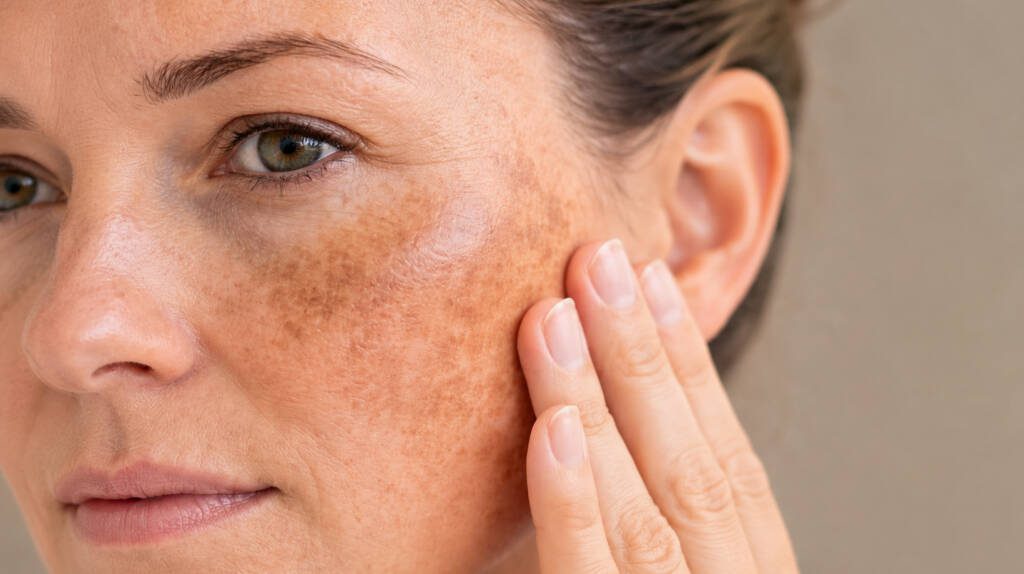
Few skin concerns are as frustrating as stubborn dark spots that linger long after you expect them to fade. Whether they appear after a breakout, from years in the sun, or as patchy discolouration across the cheeks, dark spots on skin can affect both your complexion and your confidence. The first step to treating them effectively is understanding what is actually causing them.
This guide explains three of the most common causes of dark spots, why they happen, and how MyClinic helps treat them for clearer, more even toned skin.
What Are Dark Spots?
Dark spots on skin, often called hyperpigmentation, occur when the skin produces excess melanin in certain areas. Melanin is the pigment that gives skin its colour, and when pigment producing cells become overactive, the result is patches or spots that appear darker than the surrounding skin.
According to the American Academy of Dermatology, daily sun protection helps prevent new dark spots from forming and protects the skin while existing ones fade. But pigmentation is not always caused by the sun alone. Knowing the specific trigger behind your dark spots is what makes treatment effective, so let us look at the three most common causes.
1. Sun Exposure and UV Damage
Sun exposure is by far the most common cause of dark spots on skin. When your skin is exposed to UV rays, it produces more melanin to protect itself, which is what creates a tan. Over time, repeated exposure causes pigment production to become uneven, leaving behind flat brown spots often called sun spots or age spots.
These spots typically appear on the areas most exposed to the sun, such as the face, hands, chest, and shoulders. They tend to be well defined and can deepen with continued exposure.
How MyClinic Treats Sun-Related Dark Spots
For sun induced pigmentation, professional treatments can target and break down the excess melanin so the skin can clear it away. MyClinic offers a range of pigment focused pigmentation and melasma treatments, including advanced lasers and laser toning that can be tailored to suit your skin tone. Paired with daily sun protection, these treatments help fade existing spots and prevent new ones from forming.
2. Post-Inflammatory Hyperpigmentation From Acne
The second common cause is post inflammatory hyperpigmentation, the dark marks left behind after a breakout heals. When the skin becomes inflamed from acne, a cut, or other irritation, it can deposit extra pigment at that site. The result is a dark spot that lingers long after the original blemish has gone.
This type of pigmentation is especially common for those with deeper and Asian skin tones, where the marks can take months to fade on their own. Picking at breakouts only worsens the inflammation and increases the chance of a lasting mark.
How MyClinic Treats Post-Acne Dark Spots
Because these spots are linked to breakouts, treatment always starts with getting any active acne properly assessed and brought under control first, since not every acne and scars treatment is designed for active breakouts. Once your skin is calmer, MyClinic can move on to treatments that specifically target the marks left behind, fading the remaining dark spots on skin and smoothing overall tone while helping to prevent new marks from forming.
3. Hormonal Changes and Melasma
The third common cause is hormonal. Melasma is a specific type of pigmentation that appears as larger, symmetrical patches, usually across the cheeks, forehead, and upper lip. It is strongly linked to hormonal changes such as pregnancy, fertility treatments, and contraceptive use, which is why it is sometimes called the “mask of pregnancy.”
Melasma is often triggered by a combination of hormones and sun exposure, and it tends to be more persistent and prone to returning than other forms of pigmentation. This makes it one of the trickier causes of dark spots to manage at home. If you are trying to work out which one applies to you, this guide on dark spots vs melasma on Asian skin breaks down what to look for.
How MyClinic Treats Melasma
Because melasma is hormone driven and stubborn, it usually needs a careful, ongoing approach rather than a one off fix. MyClinic tailors melasma treatment to your skin, using gentler, pigment targeting options that avoid aggravating sensitive skin. Combined with strict sun protection, this approach helps soften the appearance of patches over time while reducing the risk of flare ups.
Why Professional Treatment Matters
It can be tempting to reach for random creams or strong DIY remedies, but the wrong approach can backfire, especially on skin prone to pigmentation. Some products cause irritation that actually deepens discolouration. A professional assessment identifies what is truly driving your dark spots on skin and matches you to a safe, effective plan. MyClinic’s whitening and brightening treatments can complement targeted pigmentation care for an overall more luminous complexion.
How MyClinic Can Help
Whether your dark spots trace back to sun exposure, old breakouts, or hormonal changes, MyClinic starts every case with a proper skin assessment to pinpoint the real cause before recommending a plan. This matters because sun spots, post-acne marks, and melasma do not respond to the same treatment, and using the wrong approach can leave pigmentation unchanged or even make it worse. With a tailored plan and consistent sun protection, MyClinic helps you work toward clearer, more even toned skin without the guesswork.
How to Prevent Dark Spots From Worsening
Whatever the cause, prevention plays a big role, since sun exposure can deepen all forms of pigmentation. To protect your skin:
- Wear broad spectrum sunscreen every day, even indoors near windows
- Reapply sunscreen regularly when outdoors
- Use hats and seek shade during peak sun hours
- Avoid picking at acne or blemishes
- Be gentle with your skin and avoid harsh scrubbing
Consistent sun protection not only prevents new dark spots on skin but also stops existing pigmentation from deepening.
Frequently Asked Questions
1. How long do dark spots take to fade?
It depends on the cause and treatment. Post-acne marks may fade over several months, while sun spots and melasma often need professional treatment and consistent sun protection.
2. Can dark spots come back after treatment?
Yes, especially without proper sun protection or if the underlying cause, such as hormones, remains. A maintenance routine helps keep them from returning.
3. Are dark spot treatments safe for darker skin tones?
When tailored correctly, yes. Darker skin needs carefully selected treatments to avoid triggering further pigmentation, which is why a professional assessment matters.
4. Does sunscreen really help with dark spots?
Absolutely. Daily sun protection is one of the most effective ways to prevent new spots and stop existing pigmentation from getting darker.
5. When should I see a professional about dark spots?
If your dark spots are stubborn, spreading, or not responding to home care, a professional can identify the cause and recommend suitable treatment.
Conclusion
Dark spots on skin usually trace back to one of three common causes: sun exposure, post-acne inflammation, or hormonal changes like melasma. Identifying the right trigger is the key to treating them effectively, since each responds best to a different approach. With the right professional treatment, consistent sun protection, and a tailored plan, even stubborn pigmentation can be improved for a clearer, more even complexion.
If you are ready to tackle your dark spots, the experienced team at MyClinic can help. Contact us to book a consultation and take the first step toward brighter, healthier looking skin.