Introduction
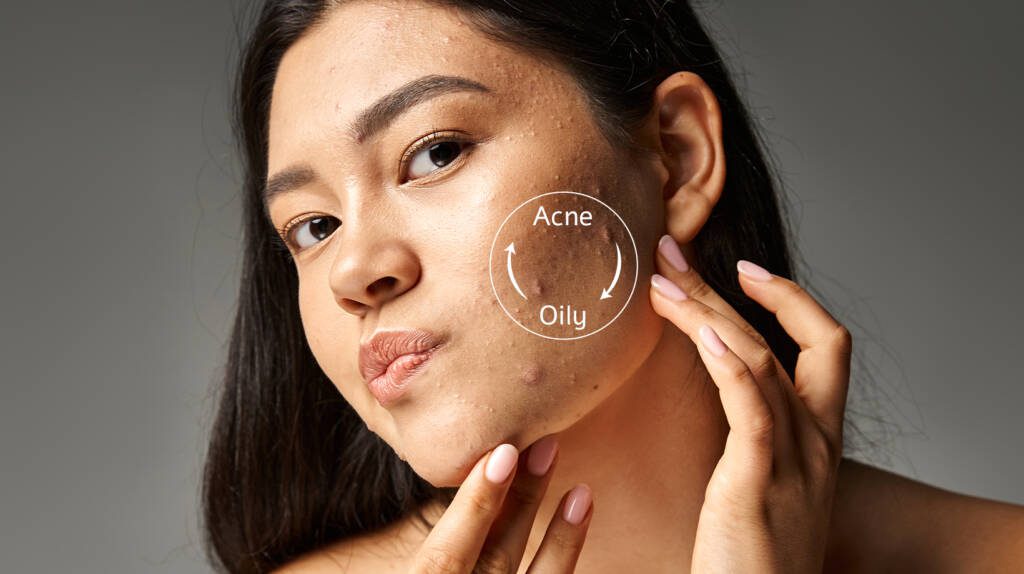
Oily skin and acne tend to go hand in hand. When your skin produces more sebum than it needs, that excess oil mixes with dead skin cells and clogs your pores, creating the perfect environment for breakouts. If you have noticed that your shine appears within hours of cleansing and pimples keep returning, you are not alone. The good news is that the right acne treatment can help bring oil under control and keep your complexion clearer for longer.
This guide walks through the main types of acne treatment suited to oily skin, how each one works, and how to decide which approach makes the most sense for you.
Why Oily Skin Is More Prone to Acne
Oily skin is driven by overactive sebaceous glands. These glands sit beneath the surface of your skin and produce sebum, the natural oil that keeps your skin moisturised. When they produce too much, pores become blocked and acne-causing bacteria thrive. According to the American Academy of Dermatology, an oily skin type is one of the recognised risk factors for developing acne.
Because oily skin can clog pores more quickly, people with this skin type often deal with several blemishes at once, including:
- Blackheads and whiteheads (clogged pores)
- Papules and pustules (inflamed pimples)
- Larger, deeper nodules in more severe cases
- Enlarged pores and a persistent shine across the T-zone
Understanding what is driving your acne is the first step toward choosing a treatment that actually addresses the root cause rather than just the surface symptoms.
Types of Acne Treatment for Oily Skin
There is no single fix that works for everyone. Most effective plans combine more than one approach. Below are the most common categories of acne treatment that suit oily, breakout-prone skin.
1. Topical Treatments
Topical products are usually the starting point for mild to moderate acne. They are applied directly to the skin and work to unclog pores, reduce oil, and calm inflammation. Common active ingredients include:
- Salicylic acid, which penetrates oily pores and clears out debris
- Benzoyl peroxide, which targets acne-causing bacteria
- Retinoids, which speed up cell turnover and prevent new clogs
- Niacinamide, which helps regulate oil and reduce redness
For daily upkeep, using the right oily skin products can make a noticeable difference in how often breakouts appear and how controlled your shine feels throughout the day.
2. Professional Facials and Deep Cleansing
In-clinic facials go further than a standard cleanse at home. A medical-grade facial can deeply purify pores, remove built-up oil and dead skin, and deliver active ingredients that calm acne. For oily skin, treatments that combine extraction with hydration help balance the skin without stripping it, which is important because over-drying can actually trigger more oil production.
3. Laser and Light-Based Therapies
For stubborn or recurring acne, laser and light treatments can be highly effective. These therapies target the deeper causes of breakouts by reducing bacteria, shrinking oil glands, and calming inflammation. They are also useful for fading the marks and scars that acne often leaves behind.
At MyClinic, we offer a range of laser-based acne and scar treatments, including options such as PicoSure Laser, Dual Yellow Laser, and CO2 Laser, each suited to different concerns and severity levels. During a consultation, we help determine which technology fits your skin best.
4. Microneedling and Skin Resurfacing
When acne has left textural damage or scarring, resurfacing treatments help rebuild smoother skin. Microneedling and radiofrequency microneedling create controlled micro-injuries that stimulate collagen, improving the appearance of acne scars and refining the look of enlarged pores over time. These treatments are particularly valuable for people whose oily skin has led to repeated breakouts and lingering scars.
5. Medical and Dermatological Treatment
Moderate to severe acne, or acne that has not responded to over-the-counter products, is best managed under professional supervision. Prescription options may include topical or oral medication tailored to the severity of your condition. A proper dermatology assessment ensures you receive a plan matched to your skin type, lifestyle, and goals rather than a one-size-fits-all routine.
How to Choose the Right Acne Treatment?
With so many options available, picking the right path can feel overwhelming. Keep these factors in mind:
- Severity of your acne, from occasional pimples to persistent, painful breakouts
- Skin sensitivity, since oily skin can still react to harsh actives
- Scarring, which may call for resurfacing on top of breakout control
- Downtime you can realistically accommodate
- Professional advice, because a consultation removes much of the guesswork
A combination approach often delivers the best results, pairing in-clinic treatments with a consistent home routine.
How to Care for Oily, Acne-Prone Skin at Home
Clinic treatments work best when supported by good daily habits. To keep oil and acne in check between visits:
- Cleanse twice a day with a gentle, non-comedogenic cleanser
- Avoid scrubbing aggressively, which can worsen inflammation
- Use a lightweight, oil-free moisturiser so skin stays balanced
- Apply sunscreen daily, as some acne treatments increase sun sensitivity
- Resist the urge to pick or pop blemishes, which can lead to scarring
Frequently Asked Questions
1. Does oily skin always cause acne?
Not always, but oily skin does raise the risk. Excess sebum clogs pores more easily, which can lead to more frequent breakouts compared to dry or normal skin types.
2. Can I treat oily skin acne with products alone?
Mild acne often responds well to the right products. However, moderate to severe or scarring acne usually benefits from in-clinic treatments combined with a tailored home routine.
3. Are laser treatments safe for oily, acne-prone skin?
Yes. When performed by qualified professionals, laser treatments are a well-established option for managing acne and improving the scars it leaves behind. A consultation confirms suitability for your skin.
4. Will treating my acne dry out my skin too much?
A good plan balances oil control with hydration. Over-drying can trigger more oil, so treatments and products are chosen to manage acne without stripping the skin.
5. How long before I see results?
This varies by treatment and severity. Some people notice improvements within a few weeks, while deeper concerns and scarring may take a course of sessions to address.
Conclusion
Managing acne on oily skin is very achievable with the right combination of treatments and consistent care. From targeted topicals and deep-cleansing facials to lasers, microneedling, and dermatological support, there is an acne treatment to suit almost every skin type and concern. The key is matching the approach to your unique skin rather than chasing quick fixes.
If you are ready to take control of oily, breakout-prone skin, the team at MyClinic can help you build a plan that works. Contact us today to book a consultation and start your journey towards a clearer and more balanced skin.