Introduction
A good skincare routine can do wonders, but it cannot fix everything. Some concerns sit too deep or carry too high a risk of lasting damage to leave to creams and serums alone. Knowing when a skin problem has outgrown your bathroom cabinet is key to treating it effectively, before it becomes harder to manage.
This guide covers 5 common skin problems that may need professional treatment, why home care often falls short, and how the right professional approach can help.
How MyClinic Can Help With Your Skin Problem
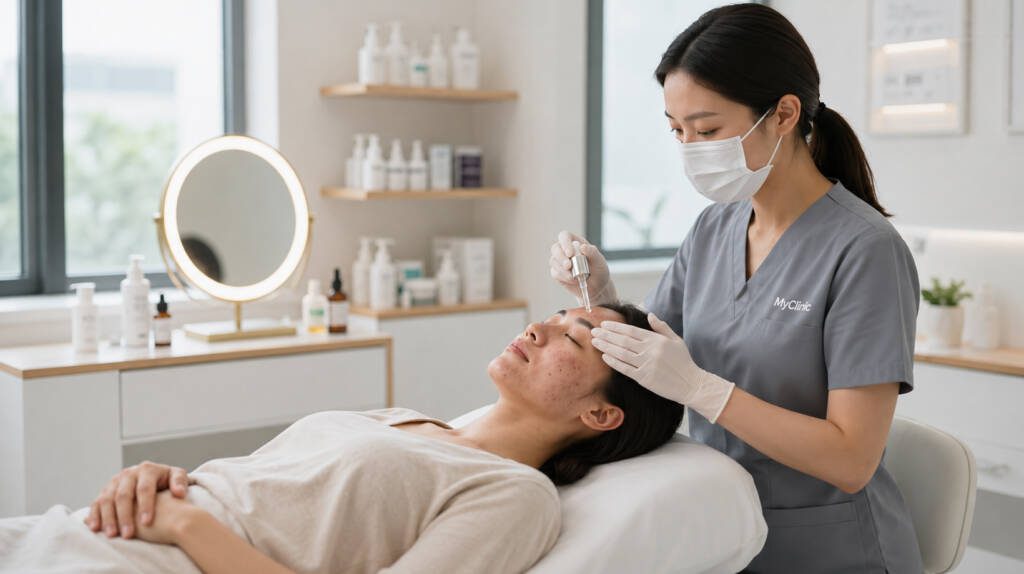
When a skin concern is not responding to home care, the most effective next step is a professional assessment that identifies what is actually driving it. MyClinic provides personalised skin consultations across all 5 concerns covered in this guide, matching each patient to the right treatment based on their skin type, concern severity, and goals.
Rather than guessing which product to try next, a MyClinic consultation gives you a clear diagnosis and a structured plan. For oily and sensitive skin in particular, our guide on 7 skin problems oily and sensitive skin should not ignore covers a wider range of concerns worth knowing about.
Why Some Skin Problems Need a Professional
Home skincare works on the surface, but many concerns originate deeper in the skin where products cannot reach. A professional can accurately diagnose what is actually driving a skin problem and match it to a treatment that addresses the root cause, rather than just the symptoms. This distinction matters, because 2 concerns that look similar on the surface can have very different causes and need very different treatments.
Acting early often makes treatment easier and lowers the risk of complications such as scarring or lasting discolouration. Professional care also comes with proper assessment, certified technology, and a plan built around your skin type and goals rather than guesswork. With that in mind, here are 5 concerns worth seeking help for.
1. Persistent Acne
The occasional breakout is normal, but acne that keeps returning despite a consistent routine is a clear sign you may need professional help. When excess oil, dead skin, and bacteria repeatedly clog the pores, over-the-counter products often are not enough.
According to the American Academy of Dermatology, you do not need severe acne to benefit from professional care, and treating it early helps prevent lasting damage. Persistent, painful, or cystic acne is more likely to scar, which makes early treatment important. MyClinic’s acne and scar treatments help bring breakouts under control before they leave their mark.
2. Stubborn Pigmentation and Dark Spots
Dark spots, melasma, and uneven tone are among the most frustrating skin problems to treat at home. Pigmentation often sits deep in the skin, well beyond the reach of brightening creams, which is why it can feel like nothing works.
This is especially true for those with deeper and Asian skin tones, where pigmentation can be more pronounced and persistent, and the wrong products can sometimes irritate the skin and deepen discolouration. Professional pigmentation and melasma treatments target excess melanin precisely and safely, tailored to your skin tone, for a clearer, more even complexion.
3. Acne Scars and Textural Scarring
Once acne clears, it can leave behind indented scars and rough texture that creams cannot fix. These scars are usually atrophic, sitting below the surrounding skin because collagen was lost during healing, and no topical product can rebuild that lost structure.
This is an area where professional treatment genuinely makes the difference. Treatments like microneedling and laser resurfacing work deep within the skin to stimulate new collagen and smooth texture over time. Because scarring is layered and varied, a tailored, often combined approach delivers the best results, and these treatments pair well with other collagen-stimulating options that support the skin from within.
4. Sagging Skin and Signs of Ageing
As we age, collagen declines, and the skin gradually loses firmness, leading to sagging cheeks, a softening jawline, and fine lines. Good skincare supports healthy skin, but it cannot restore the deeper structural support that ageing erodes.
For this skin problem, non-surgical professional treatments can make a real difference, since options that stimulate collagen or restore lost volume help lift and firm the face without surgery, matched to your specific concern.
5. Persistent Redness, Sensitivity, or Unexplained Changes
Ongoing redness, flushing, stinging, or sudden changes in your skin can signal something that needs professional attention. Persistent redness may point to conditions like rosacea, while a compromised skin barrier can leave skin reactive and uncomfortable, and sudden or unexplained changes deserve a proper diagnosis.
This is a concern where guessing can do more harm than good, since the wrong products may worsen the issue. A professional assessment identifies what is really going on and recommends safe, suitable care. Persistent redness, for instance, is sometimes mistaken for simple sensitivity when it is actually a treatable condition, and only a proper evaluation can tell the difference. For persistent or complex concerns, a broader dermatology consultation ensures your treatment matches your skin.
How to Know When It Is Time
Still unsure whether your concern needs professional help? Consider seeking advice if you notice a concern that has not improved after consistent home care, breakouts that keep returning or are painful and deep, pigmentation or dark marks that linger or spread, scarring or textural changes after acne, or persistent redness, sensitivity, or sudden, unexplained changes. If any of these sound familiar, a professional assessment is the safest next step.
How to Support Your Skin at Home
Professional treatment works best alongside good daily habits. To support your skin between visits:
- Cleanse twice a day gently, without scrubbing harshly.
- Moisturise to keep the skin balanced and hydrated.
- Wear sunscreen daily to protect against pigmentation and ageing.
- Avoid picking at breakouts, which increases scarring and marks.
- Introduce ingredients slowly to avoid irritating your skin.
Frequently Asked Questions
1. How long should I try home care before seeing a professional?
If a concern has not improved after about 6 to 8 weeks of consistent care, or it is getting worse, it is a good time to seek professional advice.
2. Do I need a severe skin problem to seek treatment?
No. Persistent, scarring, or confidence-affecting issues are all valid reasons to seek help, regardless of severity.
3. Can professional treatment prevent scarring?
Often, yes. Treating concerns like acne early reduces inflammation and lowers the risk of lasting scars and dark marks.
4. Are these treatments safe for darker skin tones?
Yes, with the right approach. Treatments are carefully selected and tailored to avoid triggering pigmentation in darker and Asian skin.
5. Will 1 session fix my skin problem?
Usually not. Most concerns need a tailored plan and a series of sessions, combined with a good home routine.
Conclusion
While a solid skincare routine is essential, some skin problems simply need more than home care can offer. Persistent acne, stubborn pigmentation, scarring, signs of ageing, and ongoing redness or sensitivity are all concerns where professional treatment can make a real, lasting difference. Recognising when to seek help and acting early gives your skin the best chance of staying healthy and clear. If any of these skin problems sound familiar, the experienced team at MyClinic is ready to help. Contact MyClinic to book a consultation and take the first step toward healthier, more confident skin.